

Telehealth Technology in Rural and Underserved Communities
Telehealth technology supports increased healthcare access in rural health and underserved communities across the United States. For the more than 60 million Americans (about one in five) who live in rural areas,

Ambulatory Specialty Model and Remote Patient Monitoring for Heart Failure Specialists
The Ambulatory Specialty Model (ASM) introduced by the Centers for Medicare & Medicaid Services (CMS) through the Center for Medicare and Medicaid Innovation represents a targeted CMS specialty payment model affecting selected outpatient specialists beginning
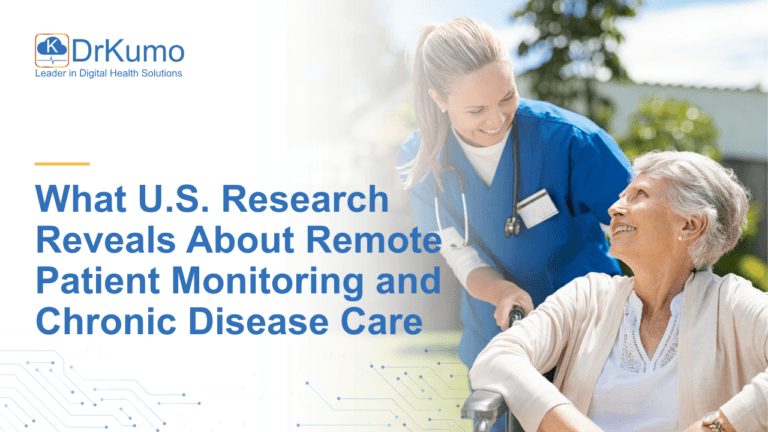
What U.S. Research Reveals About Remote Patient Monitoring and Chronic Disease Care
Remote Patient Monitoring (RPM) has become a central component of chronic disease management in the United States, particularly following the rapid expansion of telemedicine during the COVID-19 pandemic. Remote patient
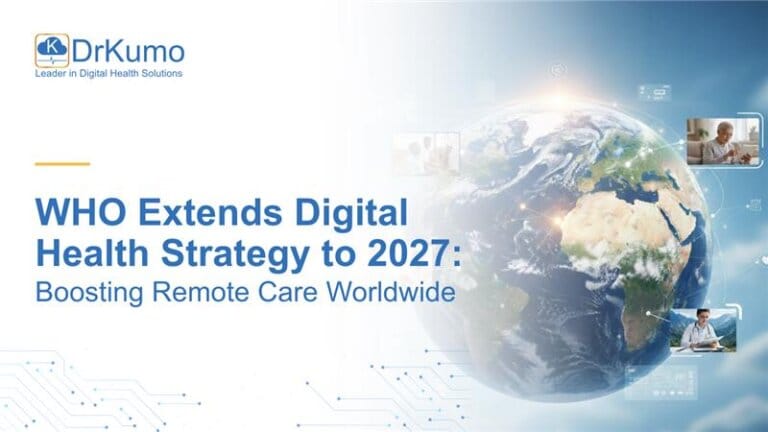
WHO Extends Digital Health Strategy to 2027: Boosting Remote Care Worldwide
The World Health Organization (WHO) has extended its Global Strategy on Digital Health through 2027, reinforcing the role of technology in advancing universal health coverage. The extension, announced in

What Conditions Qualify for Chronic Care Management? A Full List for Patients and Providers
Chronic Care Management (CCM) eligibility requires more than a diagnosis—it’s about the complexity of managing multiple chronic conditions. This article explains which conditions commonly qualify, how CMS defines eligibility, and why provider judgment is key in determining who benefits most from CCM.

What Are the Benefits of Chronic Care Management?
Chronic Care Management (CCM) delivers wide-ranging benefits for patients, providers, and the healthcare system. From improved health outcomes and patient empowerment to reduced costs and stronger provider-patient relationships, CCM is a cornerstone of value-based care. Discover why CCM is transforming how chronic conditions are managed.
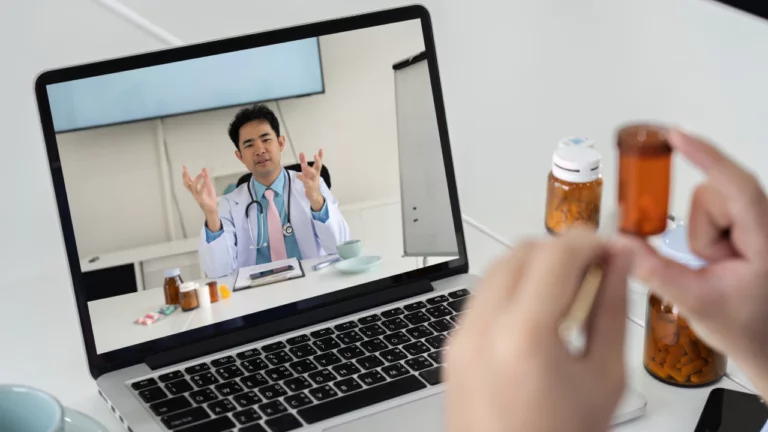
Your Doctor, Anywhere: Telehealth Services Projected to Reach a $175 Billion Market by 2026 – A Sign of Healthcare’s Digital Transformation
The telehealth market is booming, projected to hit an incredible $175 billion by 2026. This article explores how virtual care, including Remote Patient Monitoring (RPM), is fundamentally transforming healthcare access, efficiency, and patient engagement. Discover the key drivers of this digital revolution, from technological innovation to shifting patient demand, and learn how DrKumo is powering the future of connected care.
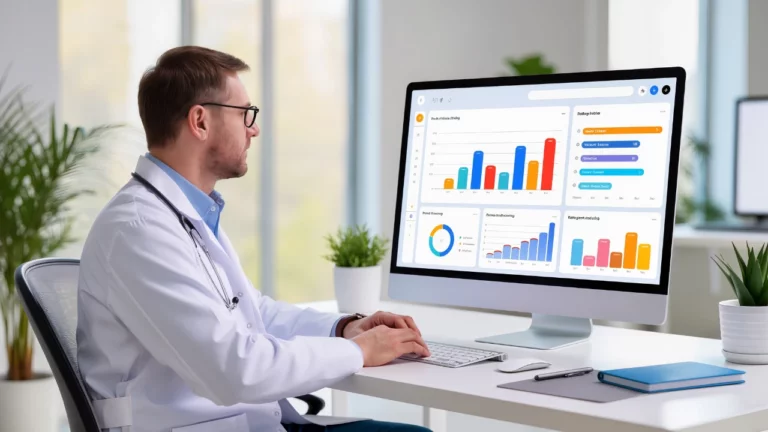
Evaluating and Integrating Clinically Validated Digital Health Technologies
The rapid growth of digital health devices can be overwhelming, making it difficult to identify solutions with real impact. The key to successful adoption lies in simplicity, seamless integration, and clinical relevance. The most effective technology are those that empower providers without adding to their administrative burden.

Do You Qualify for Chronic Care Management? An Easy Guide for Patients with 2 or More Conditions
If you have Medicare Part B and two or more chronic conditions, you may qualify for Chronic Care Management (CCM). This guide explains the simple keys to eligibility, how to get started, and how CCM supports patients in managing their health more confidently with coordinated care.

The Next Wave of Remote Patient Monitoring: Predictive Care and Real-Time Insights
Remote Patient Monitoring (RPM) has progressed beyond simple data collection, emerging as a device with the potential for predictive healthcare management. With AI-driven analytics and real-time insights, providers can detect early health risks, intervene sooner, and improve outcomes for patients with chronic conditions. For US healthcare providers, this next wave of RPM represents both a clinical advantage and a financial opportunity.