Telehealth adoption has grown substantially over the past several years, giving patients and providers more flexible ways to connect and deliver care. Once considered a secondary convenience, virtual care is now a routine part of how many patients access primary care, behavioral health services, and chronic disease management, often alongside Remote Patient Monitoring (RPM).
Market research firms project continued strong growth for the telehealth market in the coming years, though specific size estimates vary considerably by firm and methodology. What is more consistently documented is the shift in how telehealth is used: from an emergency workaround during the COVID-19 pandemic to an established part of the care delivery mix.
How the Pandemic Reshaped Telehealth Adoption
The COVID-19 pandemic dramatically accelerated telehealth adoption. According to the Centers for Disease Control and Prevention (CDC), telehealth visits increased 154 percent during the last week of March 2020 compared with the same week in 2019, as providers and patients shifted away from in-person visits during the early pandemic period.[1] This surge was followed by growing use of RPM, as providers looked for ways to keep monitoring patients safely from home.
+154% Telehealth visit increase, last week of March 2020 (CDC) | 40% / 11% Consumers planning to keep using telehealth, vs. pre-pandemic (McKinsey, 2021) | Jan. 30, 2026 Latest extension date for core Medicare telehealth flexibilities |
Sustained interest followed the initial surge. A 2021 McKinsey & Company analysis found that about 40 percent of consumers said they planned to continue using telehealth going forward, up from 11 percent before the pandemic.[6] Utilization patterns have shifted since then, but the broader move toward accepting virtual care as a normal part of healthcare delivery has held.
What’s Driving Continued Telehealth Growth
Technology and Infrastructure
High-speed internet, broader mobile connectivity, and cloud-based data platforms continue to make video consultations and real-time health data transmission more reliable and accessible.
Policy and Reimbursement
Medicare and many private insurers expanded telehealth coverage during the pandemic. Rather than becoming permanent outright, most of these flexibilities have been extended repeatedly through short-term congressional action. Core Medicare telehealth flexibilities, including the ability to receive telehealth from home without geographic restriction, briefly lapsed on October 1, 2025 amid a federal funding impasse before Congress restored and extended them through January 30, 2026.[2] A few specific policies, such as expanded coverage for behavioral telehealth, have been made permanent, and several bills remain pending in Congress that would extend the remaining flexibilities further or make them permanent.
Important Distinction
Most pandemic-era Medicare telehealth flexibilities are not permanent. They have been extended repeatedly through short-term legislation, most recently through January 30, 2026, and briefly lapsed in October 2025 amid a funding impasse. Providers should track policy updates directly through CMS.gov rather than assume current rules are fixed.
Provider Investment
Many health systems continue to invest in telehealth and RPM infrastructure, viewing it as a tool for efficiency, patient satisfaction, and expanded reach into underserved populations.
Where Telehealth Is Used Today
Primary and Preventive Care
Routine exams, wellness checks, chronic condition check-ins, and prescription renewals are commonly handled through secure video visits, particularly for patients with limited mobility, transportation challenges, or those in rural areas with limited access to in-person clinics.
Mental and Behavioral Health
Virtual therapy sessions have expanded access to mental health services and reduced some of the friction associated with seeking care. Behavioral health has consistently been one of the highest-utilization specialties for telehealth since the pandemic.
Chronic Disease Management and RPM
Patients with conditions like diabetes, hypertension, or COPD can benefit from regular virtual check-ins paired with RPM as part of a Chronic Care Management (CCM) program. This ongoing oversight can support medication adherence and earlier follow-up, which may help reduce the risk of avoidable emergency visits and hospitalizations.
Post-Acute and Home-Based Care
Telehealth can support recovery and rehabilitation at home, including virtual physical therapy check-ins, medication management, and post-surgical follow-ups, which may help lower the risk of rehospitalization and support patient comfort during recovery.
The Growth of Remote Patient Monitoring
Closely tied to telehealth’s expansion is the growth of RPM. RPM uses connected medical devices, as defined by the FDA, to transmit patient data such as blood pressure, glucose levels, oxygen saturation, and heart rate to providers between visits.
$536M Medicare RPM payments, 2024 | +31% Year-over-year payment growth | ~1M Medicare RPM enrollees | +27% Year-over-year enrollee growth |
Source: U.S. Department of Health and Human Services, Office of Inspector General, 2024 data.[3]
A 2024 systematic review in npj Digital Medicine found a downward trend in hospital admissions, readmissions, and length of stay across RPM interventions.[4] One reported RPM program achieved a 50 percent reduction in 30-day readmissions among heart failure patients, a program-specific result rather than an outcome every implementation should expect.[5]
| CPT Code | What It Covers | Threshold |
|---|---|---|
| 99453 | Device setup and patient education | One-time, per episode of care |
| 99454 | Device supply and daily data transmission | 16 to 30 days of data in a 30-day period |
| 99457 | Treatment management time | First 20 minutes per calendar month |
| 99458 | Additional treatment management time | Each additional 20 minutes |
Benefits for Health Systems and Providers
Operational Efficiency
Telehealth can support shorter appointment times, better no-show rates, and more optimized scheduling, while reducing overhead costs associated with physical clinic space.
Expanded Reach and Reimbursement Opportunities
Telehealth and RPM let health systems reach patient populations in remote or underserved areas without building additional physical infrastructure, while giving providers billing pathways through established CMS telehealth and RPM codes.
Workforce Flexibility
Telehealth supports more flexible, remote work models for clinicians and care coordination staff, which can improve job satisfaction and support recruitment and retention in a competitive labor market.
The Role of AI and Wearables in Telehealth’s Future
Artificial intelligence (AI) and wearable health technology continue to shape how telehealth and RPM programs operate, though most current applications are designed to support clinician review rather than replace it.
Supporting Risk Identification
AI models can analyze patient vitals, health history, and other data to help flag an early sign of a changing condition for clinician review.
Supporting Clinical Decisions
AI-powered diagnostic support tools can provide clinicians with additional data points during virtual exams, though the clinician remains responsible for the diagnosis and treatment decision.
Supporting Patient Self-Management
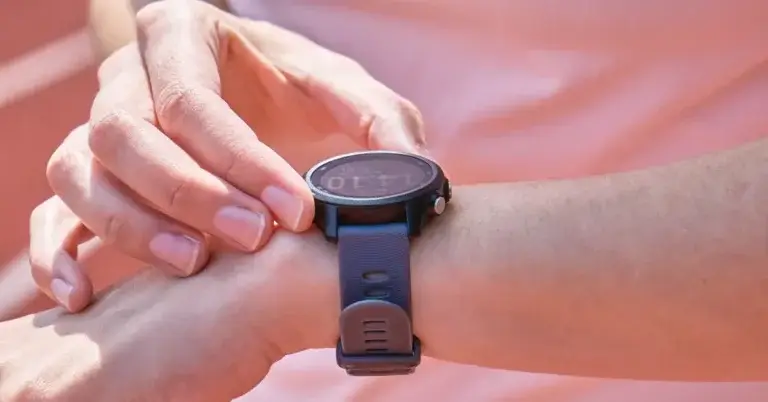
Wearables like smartwatches and health trackers let individuals monitor their own metrics, such as sleep, activity, and heart rate, providing data that can be shared with providers for more personalized care planning.
This technology-supported model connects with the broader shift toward value-based, preventive care, though implementation still depends on strong data privacy practices and clinician oversight of any AI-generated flag.
From Trend to Standard: What’s Next for Telehealth
With sustained investment and evolving regulatory frameworks, telehealth continues to move from a pandemic-era workaround toward a standard part of care delivery. Health systems are generally focused on a few key areas:
- Scaling Infrastructure: investing in secure, interoperable telehealth platforms capable of handling growing patient volumes and diverse clinical needs.
- Training Clinicians: developing training on effective virtual communication, diagnostic techniques, and making the most of available telehealth tools.
- Ensuring Equitable Access: addressing digital literacy, broadband access, and language barriers so telehealth reaches the patients who could benefit most.
The ongoing question for most health systems is not whether to use telehealth, but how to integrate it effectively, equitably, and consistently across care settings.
How DrKumo Supports Telehealth and RPM Programs
DrKumo supports healthcare providers delivering virtual care through its Remote Patient Monitoring (RPM) platform, which combines data collection from connected devices with analytics and automated alerts for care teams. This can help clinicians follow up sooner and make more informed adjustments to a patient’s care plan, without a proportional increase in staffing.
DrKumo’s platform is built to work alongside telehealth workflows, from routine chronic disease check-ins to post-acute follow-up, using medical devices as defined by the FDA and following HIPAA-compliant data security practices. DrKumo is a technology provider only and does not provide clinical services; providers retain full clinical responsibility for interpreting data, making diagnoses, and directing treatment. DrKumo’s solutions support RPM billing workflows, but whether a given claim is reimbursed depends on individual payer policies, medical necessity, and documentation, and is not assured by DrKumo.
Takeaways
Telehealth and RPM have moved from pandemic-era workarounds to a standard, growing part of U.S. healthcare delivery, supported by both patient demand and continued provider investment. Current evidence points to real benefits, including reduced hospital admissions and readmissions in several RPM studies, though results vary by program and population.
Medicare telehealth flexibilities remain a moving target. Most are currently extended only through January 30, 2026, not made permanent, and briefly lapsed in October 2025 amid a funding impasse, so providers should track policy updates directly through CMS.gov rather than assume current rules are fixed.
DrKumo is a technology provider only, not a clinical entity, and does not make treatment decisions on a provider’s behalf. Reimbursement outcomes depend on individual payer policies and documentation.
To learn how DrKumo can help your organization deliver secure telehealth and Remote Patient Monitoring, contact us today. Our team is ready to support your journey toward better patient outcomes.
Frequently Asked Questions
Common questions about telehealth and Remote Patient Monitoring growth.
Are Medicare’s telehealth flexibilities permanent?
Not entirely. Most current flexibilities, including receiving telehealth from home without geographic restriction, briefly lapsed on October 1, 2025 during a federal funding impasse and were then extended through January 30, 2026. Some specific policies, such as expanded behavioral telehealth coverage, have been made permanent, and additional legislation is pending that could extend or permanently establish the rest. Providers should check CMS.gov for the latest status.
Does RPM replace telehealth visits?
No. RPM and telehealth are complementary. Telehealth supports live consultations, while RPM provides ongoing data between visits. Many chronic care programs use both together.
How much does RPM reduce hospital readmissions?
Results vary by program. A 2024 systematic review found a general downward trend in readmissions across RPM interventions, and one hospital program reported a 50 percent reduction in 30-day readmissions for heart failure patients. These are program-specific results, not an outcome every implementation should expect.
Does AI make diagnoses during virtual visits?
No. AI tools can provide a clinician with additional data during a virtual exam, but the clinician remains responsible for the diagnosis and treatment decision.
Does DrKumo assure a specific level of RPM reimbursement?
No. DrKumo’s platform supports RPM billing workflows, but actual reimbursement depends on individual payer policies, medical necessity, and documentation. DrKumo is a technology provider only and does not control payer decisions.
References
Koonin, L.M., Hoots, B., Tsang, C.A., et al. (2020). Trends in the Use of Telehealth During the Emergence of the COVID-19 Pandemic, United States, January to March 2020. MMWR, CDC.
American Physical Therapy Association. (2025). Government Shutdown Ended: Telehealth Flexibilities Extended Until Jan. 30, 2026. APTA.org.
U.S. Department of Health and Human Services, Office of Inspector General. (2025). Billing for Remote Patient Monitoring in Medicare. OIG.HHS.gov.
Tan, S.Y., Sumner, J., Wang, Y., Yip, A.W. (2024). A Systematic Review of the Impacts of Remote Patient Monitoring (RPM) Interventions on Safety, Adherence, Quality-of-Life and Cost-Related Outcomes. npj Digital Medicine, 7, 192.
Medical Economics. (2024). RPM Cuts Hospital Readmissions by 50% for Heart Patients, Study Finds. MedicalEconomics.com.
Healthcare Dive. (2021). Telehealth Use Stabilizing at 38 Times Pre-COVID-19 Levels, McKinsey Says. HealthcareDive.com.
Disclaimer: This article is for informational purposes only and does not constitute medical advice, diagnosis, or treatment. Always consult a qualified healthcare provider for specific medical concerns. Market statistics, regulatory information, and reimbursement policies referenced in this article are subject to change; readers should confirm current requirements directly with CMS.gov or a qualified compliance professional. DrKumo is a technology provider and is not a clinical entity; it does not provide clinical services or make treatment decisions. DrKumo’s solutions support RPM billing workflows, but reimbursement outcomes depend on individual payer policies and documentation and are not assured by DrKumo.