

Telehealth Technology in Rural and Underserved Communities
Telehealth technology supports increased healthcare access in rural health and underserved communities across the United States. For the more than 60 million Americans (about one in five) who live in rural areas,

Ambulatory Specialty Model and Remote Patient Monitoring for Heart Failure Specialists
The Ambulatory Specialty Model (ASM) introduced by the Centers for Medicare & Medicaid Services (CMS) through the Center for Medicare and Medicaid Innovation represents a targeted CMS specialty payment model affecting selected outpatient specialists beginning
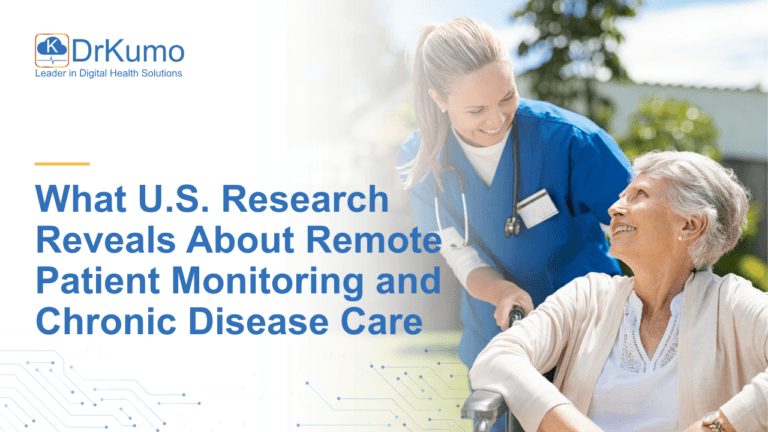
What U.S. Research Reveals About Remote Patient Monitoring and Chronic Disease Care
Remote Patient Monitoring (RPM) has become a central component of chronic disease management in the United States, particularly following the rapid expansion of telemedicine during the COVID-19 pandemic. Remote patient
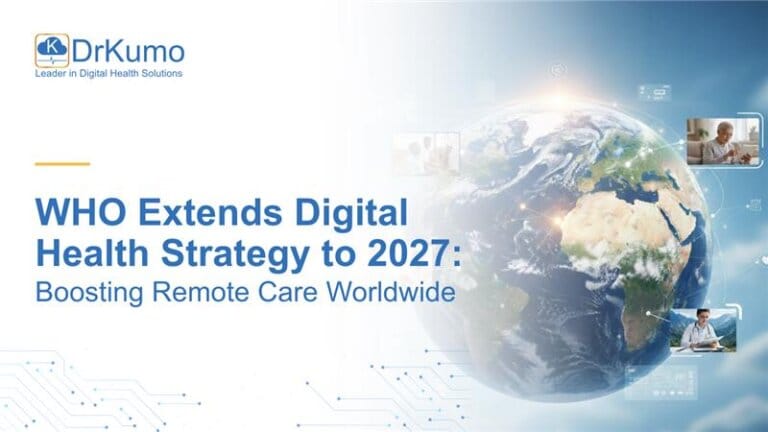
WHO Extends Digital Health Strategy to 2027: Boosting Remote Care Worldwide
The World Health Organization (WHO) has extended its Global Strategy on Digital Health through 2027, reinforcing the role of technology in advancing universal health coverage. The extension, announced in
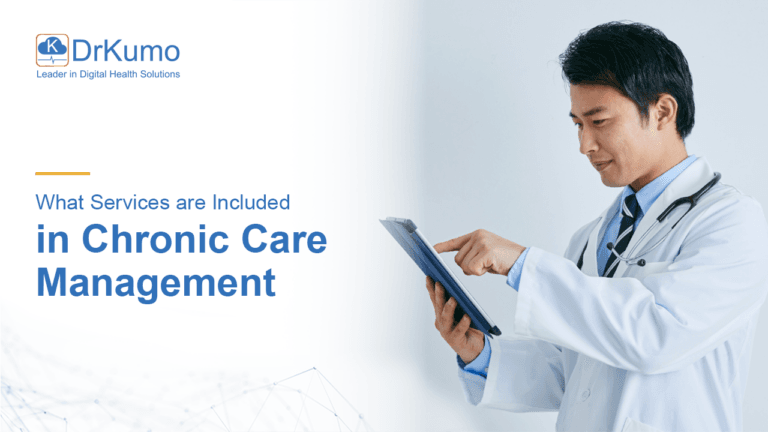
What Services are Included in Chronic Care Management? A Guide for Professionals
The period between office visits plays an important role in ongoing chronic condition management. While acute episodes are treated face-to-face, the ongoing management of long-term conditions happens in

Modern Chronic Disease Management Protocols: Driving Efficiency, Value-Based Healthcare, and Cost Reduction
Chronic Disease Management Protocols (DMPs) leverage AI and data-driven frameworks to establish sustainable healthcare. By integrating Telehealth and RPM, DMPs shift care from reactive crisis management to proactive intervention, helping to reduce high-cost hospital events and secure the core principles of Value-Based Care.

Do You Qualify for Chronic Care Management? An Easy Guide for Patients with 2 or More Conditions
If you have Medicare Part B and two or more chronic conditions, you may qualify for Chronic Care Management (CCM). This guide explains the simple keys to eligibility, how to get started, and how CCM supports patients in managing their health more confidently with coordinated care.

Medicare Part B and CCM: What Are the Key Requirements for Patients and Providers?
Medicare Part B’s Chronic Care Management (CCM) program provides vital support for patients with multiple chronic conditions while compensating providers for coordinated, non-face-to-face care. Understanding the key requirements for both patients and providers is essential to delivering compliant, effective, and proactive care.

Why Patients with Chronic Conditions Need Coordinated Care: The Case for Chronic Care Management
Lack of care coordination is one of the biggest challenges for patients managing multiple chronic conditions. Chronic Care Management (CCM) provides the coordinated, patient-centered approach needed to prevent medical errors, improve outcomes, and create a seamless healthcare experience.

How AI-Driven Strategies Improve Patient Engagement in Remote Chronic Care
Artificial Intelligence (AI) is enhancing chronic disease management by improving patient engagement through timely reminders, personalized prompts, and real-time data insights. AI can help boost adherence to care plans, reduce administrative burdens, and support preventive care efforts. For U.S. healthcare organizations, AI-driven solutions improve patient satisfaction and the effectiveness of remote monitoring programs. However, AI should be integrated as part of a broader strategy alongside other clinical practices for optimal patient outcomes.