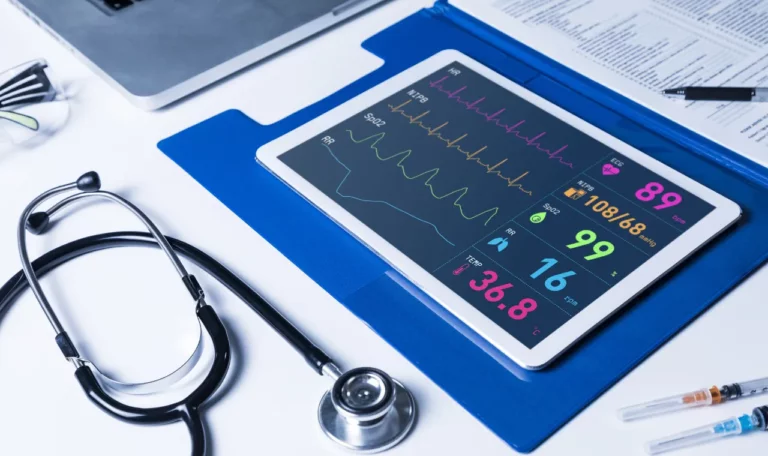


Telehealth adoption continues to increase, providing patients and providers with more flexible ways to connect and deliver care. Once considered an optional convenience, virtual care is now a critical and indispensable part of mainstream healthcare delivery.
According to Global Market Insights, the global telehealth market is projected to grow from $45 billion in 2019 to a staggering $175 billion by 2026, reflecting its expanding and essential role in patient care, chronic disease management, and overall health system resilience. This rapid expansion signifies a profound and lasting digital transformation in healthcare.
Post-Pandemic Growth in Digital Health: Integrating Virtual Care into Mainstream Practice
The COVID-19 pandemic dramatically accelerated telehealth adoption, turning what was once a niche service into a fundamental healthcare essential. In the early months of the pandemic, telehealth visits in the U.S. increased by over 150% (according to the CDC). This surge was closely followed by an explosion in the implementation and use of Remote Patient Monitoring (RPM), as providers sought ways to care for vulnerable patients safely at home while reducing exposure risk in clinical settings.
The rapid adoption of virtual care highlighted its role in maintaining continuity of services, with data supporting its effectiveness in areas such as behavioral health and chronic disease management. These experiences have informed ongoing strategies for integrating telehealth into care delivery models.
Market Growth Drivers: Why Telehealth is Booming
Multiple intersecting factors are fueling telehealth’s explosive market expansion and solidifying its position as a core component of modern healthcare:
Technological Innovation & Infrastructure
High-speed internet, the rollout of 5G networks, and sophisticated mobile applications have enabled smooth, high-definition video consultations and reliable real-time health data transmission. Advancements in cloud computing and secure data platforms form the foundation for a resilient, scalable, and secure infrastructure essential for effective virtual care delivery.
Policy and Reimbursement Reform
Medicare and many private insurers have significantly expanded coverage for telehealth services, with many temporary flexibilities during the pandemic becoming permanent policy shifts. This provides crucial financial incentives for providers to invest in and scale their virtual health programs.
Provider Adoption & Strategic Investment
Progressive health systems are increasingly investing heavily in scalable telehealth infrastructure, from virtual triage devices and secure patient portals to advanced RPM systems. They recognize telehealth as a strategic asset for efficiency, patient satisfaction, and competitive advantage.
Overwhelming Patient Demand & Preference
A 2022 McKinsey report found that 40% of consumers planned to continue using telehealth, a significant leap from just 11% pre-pandemic. Patients value the convenience, reduced travel time, and increased accessibility that online doctor visits offer.
Telehealth Across the Continuum of Care: Beyond Urgent Consults
Telehealth has evolved far beyond its initial use for urgent care or basic consultations. Today, it supports a broad and expanding range of clinical services from chronic disease management and mental health care to post-surgical follow-ups and remote patient monitoring, proving its value across the full spectrum of healthcare delivery.
Recent data from the American Hospital Association (2023) and Centers for Medicare & Medicaid Services (CMS) highlight that telehealth is now integrated into care for primary care, behavioral health, cardiology, and even physical therapy, making it a cornerstone in modern, hybrid care models.
1. Primary and Preventive Care
Routine exams, wellness checks, chronic condition check-ins, and prescription renewals are now routinely handled via secure video calls. This is particularly beneficial for patients with limited mobility, transportation challenges, or those living in rural areas with access barriers to traditional clinics.
2. Mental Health and Behavioral Therapy
Virtual therapy sessions have dramatically expanded access to crucial mental health services and helped reduce stigma. The American Psychiatric Association reports that 85% of mental health providers now use telehealth, making mental healthcare more accessible and convenient than ever before.
3. Chronic Disease Management & Remote Monitoring
Patients with conditions like diabetes, hypertension, or COPD benefit immensely from regular virtual check-ins and integrated RPM. This continuous oversight improves medication adherence, allows for timely interventions, and significantly reduces costly emergency visits and hospitalizations.
4. Post-Acute and Home-Based Care
Telehealth effectively supports patient recovery and rehabilitation at home. Virtual physical therapy sessions, medication management, wound assessments, and post-surgical follow-ups can all be conducted remotely, lowering rehospitalization risks and improving the patient’s comfort and recovery experience.
The Rise of Remote Patient Monitoring (RPM): A Telehealth Game-Changer
Closely tied to the broader expansion of telehealth is the explosive rise of RPM. RPM involves using connected, FDA-approved medical devices to securely transmit patient data, such as blood pressure, glucose levels, oxygen saturation, and heart rate, directly to providers in real time. This continuous data stream empowers proactive, data-driven care.
- The global market for remote patient monitoring systems, which was worth an estimated $22.03 billion in 2024, is set for substantial expansion. Its projected value of $110.71 billion by 2033 represents a 19.8% CAGR over the nine-year period from 2025 to 2033. This growth is being propelled by the systems’ effectiveness in managing chronic diseases, as they provide patients and healthcare providers with crucial technologies for tracking progress and detecting early warning signs.
- Studies have consistently shown that RPM reduces hospital readmissions by up 50% to in certain chronic populations, leading to better patient outcomes and significant cost savings.
- Medicare covers several specific RPM CPT codes, actively incentivizing its widespread integration into chronic care plans and value-based care models.
Benefits for Health Systems and Providers: Maximizing the Value of Telehealth
Adopting comprehensive telehealth solutions offers profound strategic advantages for healthcare organizations looking to optimize operations and expand reach:
Operational Efficiency & Workflow Optimization
Telehealth leads to shorter appointment times, significantly better no-show rates, and optimized scheduling. It reduces overhead costs associated with physical clinic space and improves staff productivity.
Revenue Diversification & Expanded Reach
Virtual care platforms enable health systems to reach new patient populations, including those in remote areas or with unique access challenges, without the need for additional physical infrastructure, thereby diversifying revenue streams.
Workforce Flexibility & Retention
Telehealth enables flexible, remote work models for clinicians and care coordination staff, which can significantly improve job satisfaction, reduce burnout, and aid in talent recruitment and retention in a competitive healthcare landscape.
The Role of AI and Wearables in Telehealth’s Future: Intelligent Connected Care
Artificial Intelligence (AI) and advanced wearable health technology are not just trends; they are profoundly enhancing telehealth services by creating a more intelligent, proactive, and personalized care model:
Predicting Patient Risk
Emerging AI technologies are showing potential in patient vitals, historical health records, and lifestyle patterns to detect early signs of deterioration, predict patient risk, and trigger timely interventions days before symptoms become evident.
Enhancing Diagnoses & Clinical Support
Digital devices and AI-powered diagnostic support systems can assist clinicians during virtual exams, providing evidence-based insights and facilitating more accurate remote diagnoses, especially in complex cases.
Promoting Patient Self-Management
Wearables like smartwatches and advanced health trackers empower individuals to continuously monitor their own health metrics (e.g., sleep, activity, heart rate variability), providing data that can be shared with providers for more personalized care plans and fostering greater patient engagement.
This tech-driven model supports continuous, highly patient-centered care and aligns seamlessly with value-based outcomes, moving healthcare toward truly predictive and preventive paradigms.
From Trend to Standard: Telehealth’s Role in the New Normal
With shifting consumer expectations, sustained investment in virtual platforms, and evolving regulatory frameworks, telehealth is no longer a temporary trend but is poised to become a permanent and indispensable pillar of care. Health systems must now focus on strategic implementation and optimization:
- Scaling Infrastructure: Investing in robust, secure, and interoperable telehealth platforms capable of handling growing patient volumes and diverse clinical needs.
- Training Clinicians: Developing comprehensive training programs for healthcare professionals on effective “digital bedside manner,” virtual diagnostic techniques, and maximizing telehealth technologies.
- Ensuring Equitable Access: Implementing strategies to reach all populations, including addressing digital literacy, broadband access, and language barriers, to ensure no one is left behind in the digital health revolution.
The challenge isn’t whether to adopt telehealth, but how to integrate it seamlessly, equitably, and effectively into every care setting, making it an organic part of the patient and provider experience.
DrKumo: Powering the Future of Telehealth and Connected Care
DrKumo Digital Health Solutions stands at the forefront of digital transformation, empowering healthcare providers to deliver exceptional virtual care that is both accessible and efficient. As it utilizes its proprietary real-time remote patient monitoring platform, which incorporates continuous data analytics and automated alerts, DrKumo enables proactive interventions and supports improved patient outcomes. DrKumo’s robust platform seamlessly integrates vital components like RPM with comprehensive telehealth capabilities, enabling continuous patient engagement and proactive disease management from any location.
By providing real-time insights and facilitating secure, interactive communication, DrKumo helps practices not only adapt to the new digital landscape but adapt more effectively to digital care delivery and optimize patient and operational outcomes.
DrKumo’s commitment extends to simplifying the complexities of modern virtual care. Their solutions are designed to address key market drivers mentioned in the article, from leveraging advanced FDA-cleared technology to ensuring HIPAA compliance and robust data security. This comprehensive approach allows clinicians to deliver personalized, data-driven care, supporting everything from routine check-ups to complex chronic disease management.
With DrKumo, healthcare organizations can effectively scale their telehealth infrastructure, overcome common barriers, and provide patients with the convenient, high-quality care they expect in this new era of connected health, ensuring seamless EHR integration and optimized workflows.
Takeaways
The projected $175 billion telehealth market by 2026 is not just a financial forecast, it represents a fundamental reimagining of what it means to receive care. From remote mountain towns to bustling urban apartments, patients can now access their doctors anywhere, anytime, breaking down traditional barriers to healthcare.
As digital transformation continues its relentless pace, telehealth will undeniably help healthcare become more accessible, efficient, and profoundly patient-focused than ever before.
The future of healthcare is collaborative and connected. If you’re ready to embrace the full potential of telehealth and lead this digital revolution with comprehensive, patient-centered solutions, contact us today. Let’s shape tomorrow’s healthcare, together.
Disclaimer: This article is for informational purposes only and not medical advice, diagnosis, or treatment. Always consult a qualified healthcare provider for specific medical concerns. The information should not be used for self-diagnosis or treatment. Reliance on this content is at your own risk. DrKumo solutions support RPM billing but do not guarantee reimbursement; individual results and payer policies may vary.