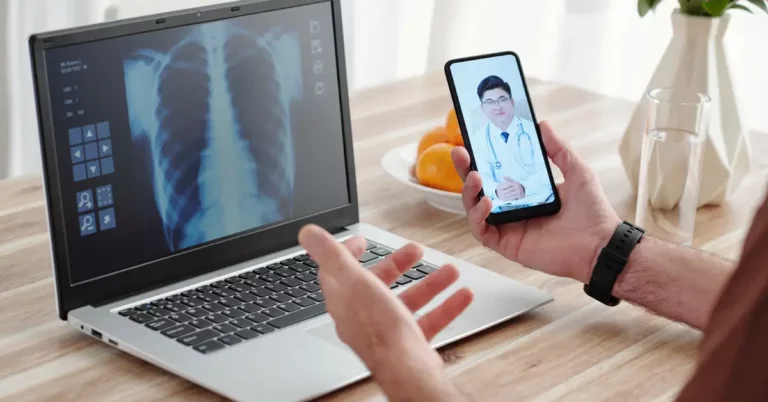


Living with chronic conditions like diabetes, heart disease, or chronic obstructive pulmonary disease (COPD) is a daily challenge. Managing medications, appointments with various specialists, and necessary lifestyle changes can feel like a full-time job. When care is not synchronized between different healthcare providers, patients can face conflicting advice, medication errors, and redundant tests. This lack of care coordination approach can lead to suboptimal health outcomes and immense frustration.
The solution lies in a more integrated, patient-centered model: coordinated care, exemplified by programs like Chronic Care Management (CCM).
The Challenge: Managing the Complexity of Chronic Conditions
Living with multiple chronic conditions, such as diabetes, heart disease, or chronic obstructive pulmonary disease (COPD), presents a substantial daily challenge for patients. The demands are significant: managing various medications, keeping up with appointments for multiple specialists, and implementing necessary lifestyle changes often feels like a full-time job.
When patient health information is not readily accessible or synchronized across all sites of care, the patient is left to navigate potential obstacles in managing their conditions:
- Information Gaps: Without a central, comprehensive record of medical history and treatment plans, a patient may struggle to ensure all providers are aware of the full clinical picture, which can lead to difficulty reconciling instructions or advice.
- Medication Complexity: Managing multiple prescriptions from different providers inherently increases the risk of regimen confusion or non-adherence, complicating the management of chronic disease.
- Efficiency Strain: Patients may undergo repeated tests or procedures when results are not shared seamlessly across offices, leading to unnecessary time and resource expenditure.
- Poor Health Outcomes: A lack of coordination can lead to worsening symptoms, preventable complications, and increased hospitalizations.
The challenges associated with managing multiple chronic conditions can compromise patient well-being and place a significant strain on the healthcare system.
The Solution: Chronic Care Management (CCM)
Chronic Care Management is a specific service designed to provide well-coordinated care for patients with two or more chronic conditions. It establishes a collaborative framework where a dedicated care team works together with the patient to manage their health proactively.
At its core, CCM focuses on several key activities:
- Comprehensive Care Planning: A personalized and dynamic care plan is created that takes into account the patient’s health history, goals, and lifestyle. This plan is shared across the entire care team.
- Regular Communication: Patients have consistent contact with a dedicated care manager who can answer questions, provide education, and help them navigate the healthcare system.
- Around-the-clock access: Patients have around-the-clock access to a member of their care team for urgent needs, providing peace of mind and helping to avoid unnecessary emergency room visits.
- Transitional Care Management: CCM helps ensure smooth transitions between care settings, such as from the hospital back to home, which is a critical time for preventing readmissions.
Key Benefits of Coordinated Care
When care is coordinated through a structured program like CCM, the benefits are clear for patients, providers, and the entire healthcare system.
- Improved Health Outcomes: By taking a proactive rather than reactive approach, CCM helps patients better manage their symptoms and adhere to their treatment plans. This leads to fewer complications and a higher quality of life.
- Enhanced Patient Engagement and Empowerment: With a dedicated point of contact and a clear care plan, patients feel more supported and involved in their own health decisions. They become active partners in their care rather than passive recipients.
- Greater Healthcare Efficiency: Coordinated care eliminates redundancies, reduces the likelihood of medical errors, and helps reduce costly hospitalizations and emergency department visits through early intervention.
How DrKumo Facilitates Coordinated Care
DrKumo supports healthcare organizations in delivering effective Chronic Care Management through its advanced, HIPAA-compliant technology platform. DrKumo is not a clinical entity and does not provide direct clinical services. Our solutions are designed to bridge communication gaps and provide clinicians with the insights needed to deliver proactive, continuous, and connected care. By creating a unified ecosystem for patient health data, our platform helps keep every member of the care team aligned and informed
Integrating Remote Patient Monitoring (RPM) with CCM services provides a more powerful approach to managing chronic disease. DrKumo’s RPM technology allows for the secure collection of real-time physiological data, such as blood pressure, glucose levels, and weight, directly from the patient’s home. This data provides clinicians with a continuous view of a patient’s health status between office visits, enabling timely interventions and more personalized adjustments to the comprehensive care plan.
Takeaways
Managing multiple chronic conditions requires more than just appointments and prescriptions; it requires a connected, collaborative, and continuous approach. hronic Care Management provides a structured framework to coordinate care, resulting in improved health outcomes, enhanced patient engagement, and more efficient use of healthcare resources.
To learn how DrKumo can help your organization deliver secure, real-time connected care, contact us today. Our team is ready to support your journey toward better patient outcomes.
Disclaimer: This article is intended for informational purposes only and does not constitute medical advice. Always consult with a licensed healthcare provider for guidance on diagnosis, treatment, or medical decisions.