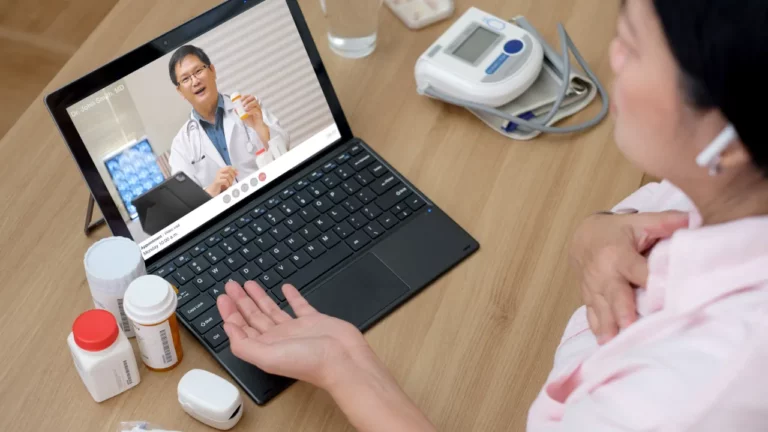

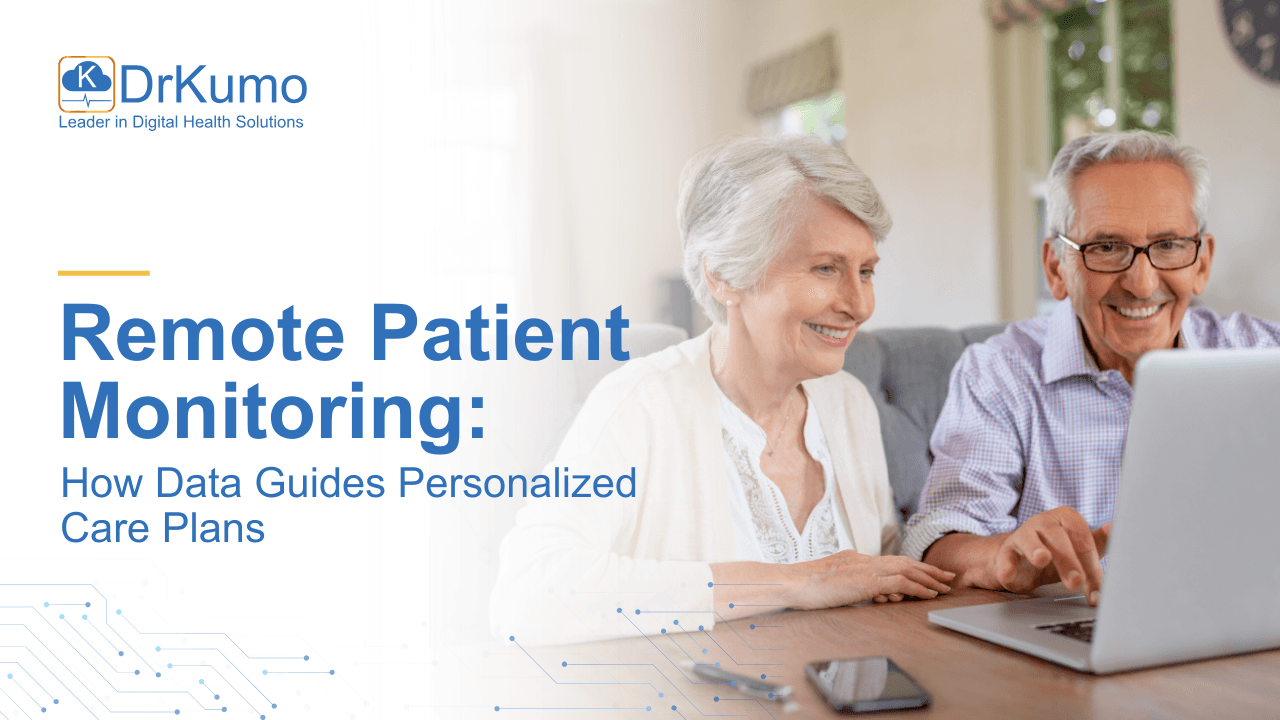
As chronic conditions rise, RPM gives clinicians a high-fidelity stream of physiologic data that supports informed oversight, timely intervention, and truly personalized care plans.
Integrating physiologic oversight into existing workflows supports the management of patients with chronic conditions. While traditional office visits provide vital clinical context, RPM adds a stream of data that helps providers identify physiologic trends. Remote Patient Monitoring (RPM) provides a high-fidelity stream of information that allows for truly personalized care plans.
To understand the value of data-driven oversight in modern healthcare, it is helpful to examine the increasing scale of chronic condition management across the industry. The American Heart Association (AHA) reports in its 2025 Statistics Update that 46.7% of adults in the United States now live with hypertension, a primary driver of cardiovascular mortality that often remains asymptomatic until a major event occurs. This high prevalence highlights the value of remote physiologic monitoring to support clinicians in identifying trends and managing patient care.
46.7% of U.S. adults live with hypertension — often without symptoms until a major event. RPM programs have shown a 38% reduction in hospital readmissions by surfacing physiologic trends clinicians can act on.
When these monitoring protocols are effectively implemented, the impact on the healthcare system is profound. According to a systematic review published by the National Institutes of Health (NIH) in 2024, Remote Patient Monitoring programs have successfully achieved a 38% reduction in hospital readmissions for chronic disease populations. By identifying physiologic trends, clinicians can use Remote Patient Monitoring data to support timely clinical oversight and facilitate the development of personalized care plans.
Data insights support informed clinical oversight
Data collected from medical devices, such as blood pressure monitors and weight scales, provides a longitudinal view of a patient’s physiologic trends. Rather than relying on a single reading that might be influenced by “white coat” syndrome, clinicians can use these trends over weeks or months to support their clinical oversight. This approach provides providers with additional context to assist in the management of chronic conditions within their existing workflows. For those looking to establish these systems, a comprehensive guide to RPM can provide the necessary foundation for setup and data interpretation.
This objective data stream eliminates the traditional reliance on patient self-reporting, which is often subject to recall bias or subjective interpretation. When clinicians identify a sustained deviation from a patient’s physiologic baseline, they can utilize this data to support clinical oversight and inform lifestyle guidance based on observed trends. This periodic physiologic data assists providers in maintaining informed oversight as a supportive component of their existing chronic care workflows.
RPM programs do more than just collect numbers — they provide the narrative of a patient’s life between office visits, supporting the transition toward informed clinical oversight.
DRKUMO EDITORIAL TEAM
RPM supports chronic respiratory oversight
Managing chronic obstructive pulmonary disease (COPD) requires precise oversight of oxygen saturation and respiratory rates. For these patients, shifts in SpO2 levels can serve as clinical indicators that assist providers in identifying physiologic trends. RPM devices provide data that can assist clinicians in the early detection of these shifts, serving as a supportive technology alongside standard clinical care and provider-led protocols.
By integrating respiratory metrics into a person-centered care plan, healthcare organizations can move toward specialized pulmonary management. Utilizing standardized protocols for chronic conditions ensures that these periodic physiologic data visibility streams lead to informed clinical indicators and high-quality outcomes. This supports clinicians in facilitating timely interventions, such as adjusting bronchodilator therapy, which may assist in the management of patient stability.
RPM programs support clinical workflows
Beyond clinical outcomes, RPM programs offer significant operational advantages. By utilizing automated data collection, healthcare organizations can optimize their clinical workflows. Automated data collection reduces manual entry requirements, allowing clinicians to prioritize their time for patients whose physiologic data shows significant trends.
Automated data ingestion supports triage protocols, enabling nursing staff to prioritize outreach based on identified physiologic trends. By focusing clinical attention on patients whose data shows significant shifts, organizations can extend the reach of their clinical services while supporting existing workflows. This efficiency is critical for managing large populations without increasing staff burnout.
Education ensures technical program adherence
The effectiveness of a personalized care plan is supported by providing patients with devices that help them monitor their physiologic trends from home. High-quality RPM programs prioritize patient education to ensure that medical devices are used correctly and consistently. When patients understand how their health data correlates with their symptoms, their adherence to the care plan typically increases.
Patient engagement is supported when patients are encouraged to follow provider-led protocols and discuss their physiologic trends as part of a shared decision-making process. By fostering health literacy and agency, healthcare providers can support patients in becoming more engaged participants in their own care journey. This behavioral shift is essential for the long-term management of chronic conditions, ensuring that this technology serves as a bridge to better self-care rather than a burden.
RPM technology supports personalized care plans
RPM technology helps provide supplemental physiologic data that supports clinical oversight of patient health. While RPM focuses on the immediate physiologic data, Chronic Care Management (CCM) addresses the broader coordination of care, including medication reconciliation and specialist referrals. Together, they form a comprehensive framework for managing complex patients.
As these systems become more interconnected, clinicians must prioritize securing telehealth infrastructure to protect sensitive patient data from emerging threats. By maintaining a secure and data-rich environment, clinicians can ensure that specialist consultations and pharmacological adjustments are precisely informed by the patient’s current physiological status. This leads to improved patient stability and more resource-efficient, high-quality clinical care.
DrKumo supports technical evolution in chronic care
As a leader in the digital health space, DrKumo supports the deployment of advanced RPM and CCM technologies designed to bridge the gap between patients and providers. By providing a secure, scalable infrastructure for the collection and analysis of physiologic data, DrKumo supports healthcare organizations in their mission to deliver high-quality, data-driven care.
DrKumo is not a clinical entity and does not provide clinical services. Instead, it provides the underlying technical infrastructure that enables clinical teams to focus on their core competencies: evaluating data and modifying care plans to optimize patient outcomes. Through the integration of highly accurate medical devices and sophisticated data analytics, DrKumo supports the movement toward a more proactive, efficient, and personalized healthcare system.
Takeaways
The data highlights a significant opportunity for the 121.5 million Americans living with hypertension and the millions managing conditions like COPD. By utilizing frequent, high-resolution physiologic data, medical providers can transition from a reactive approach toward a model of enhanced clinical foresight. RPM programs do more than just collect numbers; they provide the narrative of a patient’s life between office visits, supporting the transition toward informed clinical oversight.
Whether you are launching a new RPM service or looking to enhance your current clinical workflows with secure, real-time physiologic data, ensuring you have the right infrastructure is key.
DATA-DRIVEN CARE STARTS HERE
Support your clinical workflow with real-time physiologic data.
Contact us today to learn more about how DrKumo’s digital health solution can support your practice in delivering data-driven, personalized care.
Disclaimer: This content is provided for healthcare professionals and does not constitute medical advice. Results may vary depending on implementation and clinical context.