
Healthcare Providers · Remote Patient Monitoring · Value-Based Care
7 min read
RPM
Value-Based Care
Interoperability
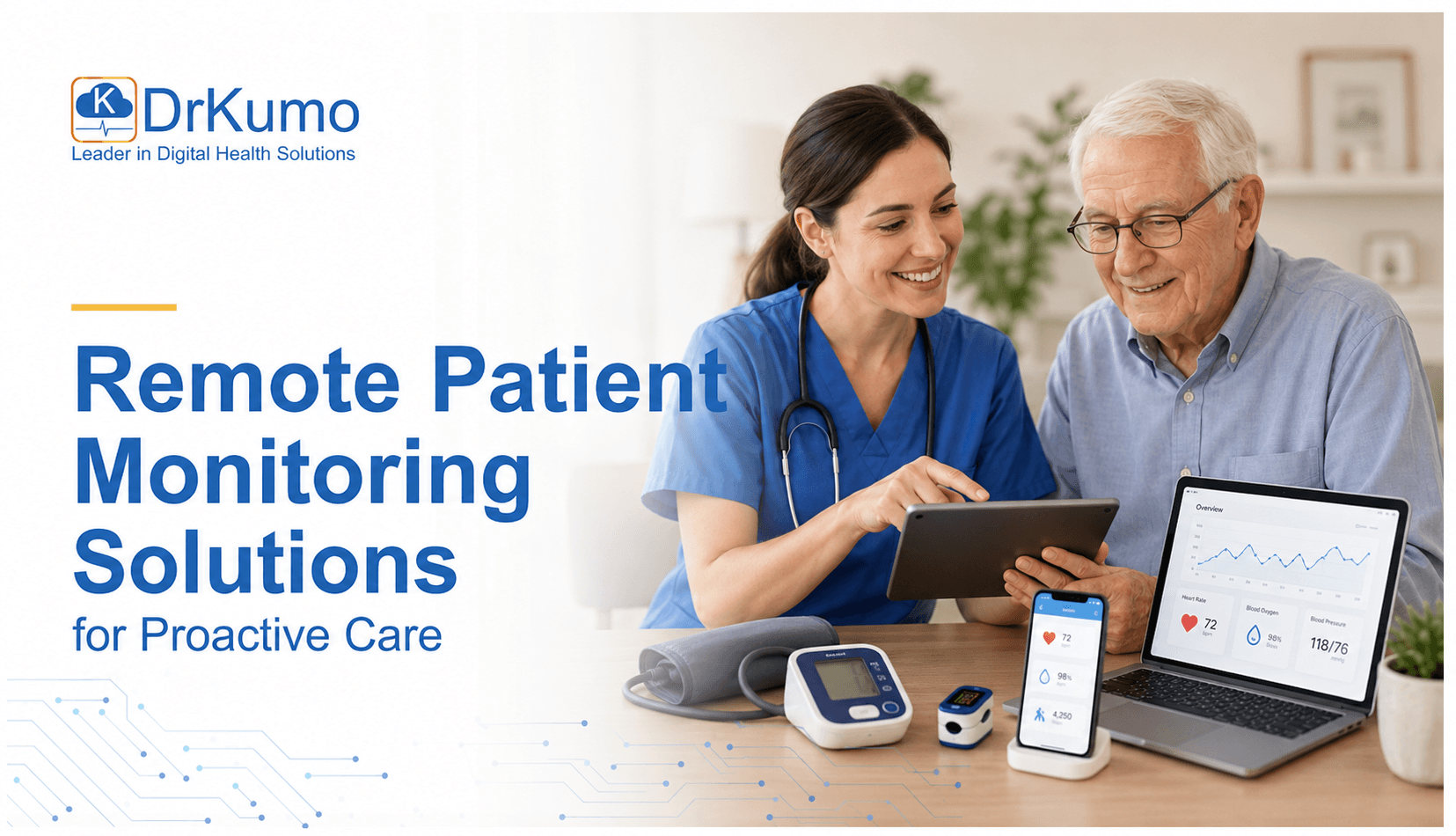
Remote patient monitoring solutions are increasingly used to support ongoing patient care. As adoption grows, these technologies are designed to assist healthcare organizations in facilitating data sharing, care coordination, and alignment with Value-Based Care (VBC) models. In this article, we explore the transition toward next-generation RPM and the new standards it is setting for achieving Value-Based Care.
The Evolution of RPM: From Monitoring to Intelligent Care
The journey of remote patient monitoring (also called remote physiologic monitoring) from a simple concept to a significant component of modern healthcare delivery reflects the increased adoption of technology to support patient care. Initially designed to monitor patients remotely and reduce the frequency of in-person visits, RPM has advanced considerably. Today, the approach uses a digital framework that integrates healthcare solutions to provide specific data points for the clinical management of chronic conditions.
A systematic review published in the CDC’s Preventing Chronic Disease found that outpatient follow-up shortly after hospital discharge was associated with a 21 percent lower risk of 30-day all-cause readmission overall, with a significant reduction specifically among patients discharged with heart failure or stroke. RPM supports this kind of structured follow-up by giving care teams a continuous view of how a patient is doing once they leave the hospital, rather than waiting for the next scheduled visit.
Through this technical integration, clinicians gain access to organized data that supports care coordination. Regular data collection and connected monitoring devices assist providers in reviewing patient information, documenting care plans, and facilitating communication. The integration of RPM into healthcare frameworks supports the delivery of patient care by the full clinical team.
Improving Interoperability in Healthcare Solutions
The integration of RPM into broader healthcare solutions is an important component of achieving effective interoperability and a coordinated approach to patient care. This integration allows for centralized monitoring of patient health data, directly benefiting the success of any chronic care management program. By supplementing in-clinic visits with digital health monitoring devices, RPM supports the availability of physiological data between office appointments. This technology assists in the continuity of care by providing a technical framework for data collection outside of the clinical setting.
The bidirectional data exchange of RPM technologies with existing Electronic Health Record (EHR) systems is key to this success. It enables regular data flow and organization, helping clinicians review patient health metrics and supporting data-driven workflows aligned with established disease management protocols.
By organizing patient information into a unified view, integrated RPM solutions support proactive health management across the care team.
Navigating Implementation Hurdles: Technical and Systemic Solutions
The path to fully integrating RPM into healthcare solutions is not without obstacles, ranging from technical hurdles to systemic issues like provider adoption and data security. Strategic approaches are paving the way for successful, scalable integration.
| Challenge | Next-gen solution |
|---|---|
| Technical hurdles | Implement robust validation, standardization, and end-to-end encryption for RPM devices and data transmission. |
| Interoperability issues | Adopt universal data standards such as FHIR and open protocols to ensure seamless, two-way data exchange between RPM platforms and EHR systems. |
| Provider adoption | Highlight the benefits of reduced physician burnout and improved patient outcomes. Offer streamlined user interfaces and comprehensive training and support to simplify integration. |
The Clinical and Financial Impact of Integrated RPM
The integration of RPM into healthcare solutions significantly influences patient care and the financial health of the system, marking a pivotal shift toward Value-Based Care.
Enhanced patient outcomes
Real-time data allows providers to make more informed, predictive decisions, supporting reduced emergency room visits, fewer hospital readmissions, and improved overall health outcomes.
Increased patient engagement
Continuous feedback, educational content, and smooth communication keep patients engaged in their care, fostering adherence to treatment plans such as those for hypertension.
Greater accessibility to care
RPM addresses geographical barriers, making high-quality care accessible to patients in remote or underserved areas without the need for frequent travel.
Policy, Reimbursement, and Regulatory Compliance
The successful, widespread adoption and integration of RPM is fundamentally driven by supportive policy and regulatory frameworks.
- Navigating regulatory landscapes. RPM technologies require approvals from regulatory bodies. Clear guidelines are essential for compliance and for fostering patient trust.
- Supporting reimbursement models. Sustainability for providers depends on supportive CMS reimbursement policies, including CPT codes for CCM and RPM. The established value of RPM in VBC models encourages wider adoption.
- Protecting patient privacy. Policies must safeguard the privacy and security of health data. HIPAA compliance is non-negotiable, requiring advanced encryption and secure transmission protocols throughout the data lifecycle.
RPM platforms that handle continuous physiologic data are also subject to broader cybersecurity expectations. For a closer look at how federal frameworks apply to connected health devices, see the implications of the NIST and NCCoE cybersecurity framework for RPM practices.
Enhancing Care With DrKumo’s Advanced RPM Platform
DrKumo Digital Health Solutions supports the management of chronic conditions like hypertension by integrating directly with existing healthcare systems. DrKumo’s RPM platform is an example of next-generation technology built around three core capabilities.
AI-driven interventions
DrKumo uses machine learning to analyze patient data, prioritize high-risk patients, and generate notifications for clinicians, moving beyond simple data logging to support predictive care.
EHR/EMR interoperability
The platform ensures bidirectional compatibility with major Electronic Health Record systems, supporting seamless data flow and a unified view for the care team.
Security and compliance
DrKumo adheres to high security standards, including HIPAA and FIPS (Federal Information Processing Standards), supporting safe handling of patient data throughout its lifecycle.
DrKumo demonstrates the clinical and operational value of integrated RPM by providing technology that supports improved healthcare delivery and outcomes, serving as a contributor to the movement toward more personalized and efficient patient care in the digital era.
Data-driven care starts here
Unlock the potential of integrated healthcare and true interoperability.
Contact DrKumo today to support patient care and optimize your path to Value-Based Care success.
Frequently Asked Questions
Key Takeaways
The integration of interoperable RPM is changing how patient care is delivered, highlighting the importance of innovation, reimbursement policy, and collaborative strategy. As RPM adoption grows, it plays a key role in improving patient outcomes, supporting value-based care, and promoting equitable access to healthcare services.