
Healthcare Providers · Artificial Intelligence · Patient Experience
7 min read
AI in Healthcare
RPM
Clinical Workflows
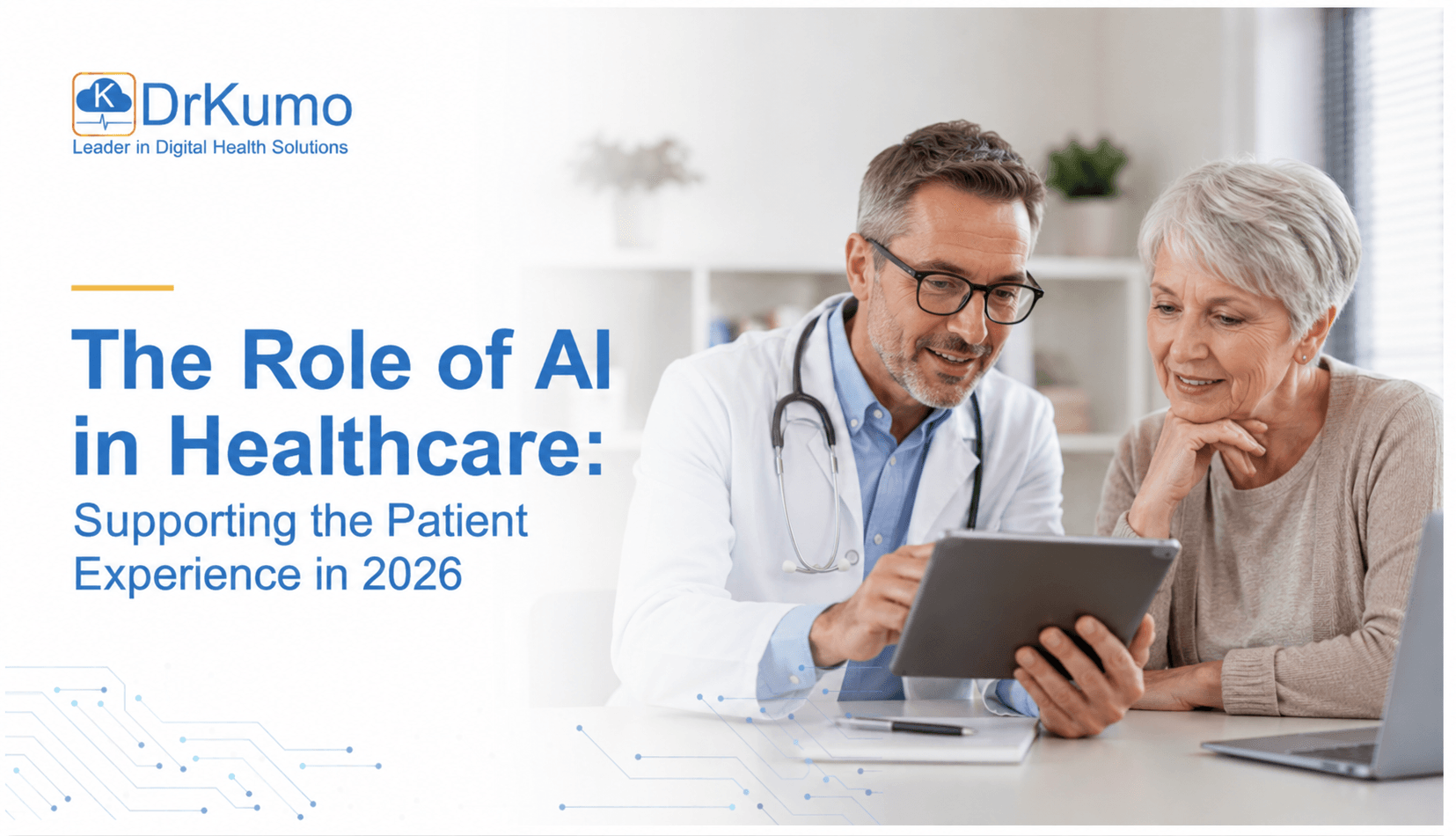
As healthcare practice evolves in 2026, the integration of data-driven support and Artificial Intelligence (AI) is assisting clinicians in refining the patient experience. This article explores how medical devices and administrative technologies support clinical workflows and patient engagement.
In 2026, the healthcare landscape utilizes medical devices and digital technologies that assist in the delivery of care. For patients, this shift often translates to structured interactions and accessibility to care teams during standard operating hours. AI, in this context, offers a repository of information that supports clinical authority without replacing the essential professional judgment required for medical practice.
Why AI Support Matters Now
The Association of American Medical Colleges (AAMC) projects that the United States could face a shortage of up to 86,000 physicians by 2036, with primary care among the most affected specialties (AAMC, 2024). Against that backdrop, AI in healthcare is increasingly viewed as a way to extend the reach of existing clinical teams, organize complex data, and reduce administrative load, rather than to replace the clinician at the center of patient care.
AI in healthcare in 2026 is positioned as a support technology, not a decision-making entity. Used appropriately, it assists clinicians with data organization, administrative efficiency, and trend identification, leaving clinical judgment firmly with the provider.
Data-Driven Support for Clinical Decision-Making
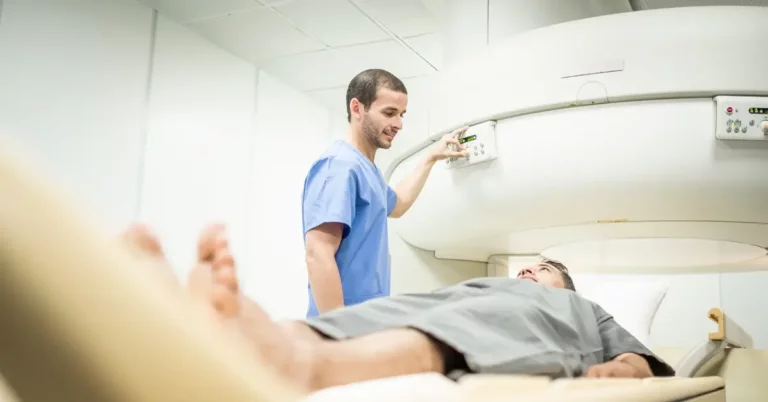
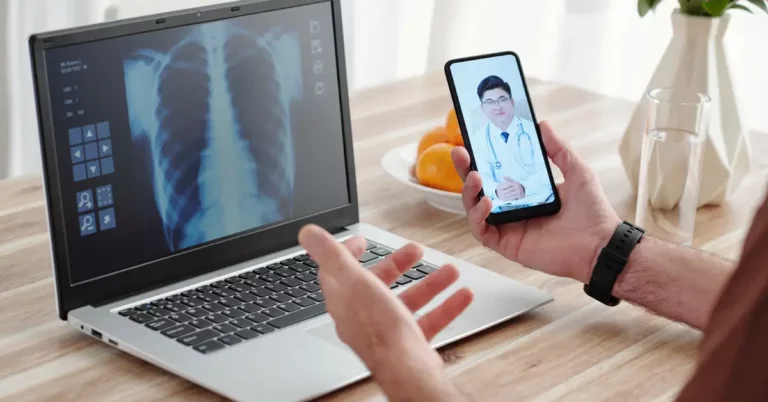
Modern clinical environments utilize data-driven support technologies to assist in the evaluation of complex patient information. These systems act as a technical layer that assists clinicians in organizing large datasets, such as imaging and historical health records, to support the identification of patterns for periodic review.
- Pattern recognition. AI-driven technologies, including software regulated as medical devices by the FDA, help highlight specific areas of interest in medical imaging to assist radiologists in their scheduled assessments.
- Evidence-based support. Clinical decision support systems provide clinicians with references to current clinical guidelines at the point of care.
- Workflow consistency. By assisting with the processing of physiological data, these technologies support a standardized approach to care across diverse patient populations.
Critically, these systems are designed to inform clinician decision-making, not to replace it. The provider remains the responsible party for diagnostic and treatment decisions.
Digital Support for Administrative Efficiency
Administrative technologies, such as health-focused virtual assistants, have become a common method for managing routine patient inquiries and scheduling. These assistants are designed to handle non-clinical tasks, allowing medical staff to focus on direct patient interaction during business hours.
- Convenient access. Virtual assistants provide access to basic information such as clinic hours, appointment availability, and general health education materials.
- Protocol adherence. These administrative technologies assist patient adherence to provider-led protocols by sending regular reminders for medication or upcoming office visits.
- Preliminary data collection. By gathering preliminary information, these assistants help organize patient needs for clinical review during standard operating hours.
Virtual assistants and similar administrative tools are not a substitute for emergency care. Patients experiencing urgent symptoms should contact appropriate medical services directly. Remote Patient Monitoring (RPM) and related digital technologies are for monitoring and support purposes only; they do not replace emergency response.
For a deeper view of how monitoring technology fits into a broader care strategy, see our comprehensive guide to Remote Patient Monitoring.
Data Insights That Support Chronic Condition Management
Predictive analytics in 2026 serve as a method for identifying trends within a patient’s historical data. Rather than forecasting definitive outcomes, these models analyze existing metrics to help clinicians identify which patients might benefit from more frequent follow-up care.
- Risk stratification support. These technologies surface data trends that assist clinicians in their own risk stratification decisions for patients living with chronic conditions.
- Proactive review. By identifying shifts in physiological data trends, these technologies support periodic clinical review during the provider’s established workflow.
- Tailored data sets. Clinicians can use these insights to inform care decisions based on a patient’s specific historical data patterns.
When trend identification is combined with the structure of Remote Patient Monitoring, clinicians gain a more complete picture of the patient between office visits. This is particularly relevant for chronic conditions such as hypertension, heart failure, and chronic obstructive pulmonary disease (COPD), where small changes in physiological data can be early indicators of clinical concern.
AI in healthcare works at its best when it organizes data, supports administrative efficiency, and surfaces trends. The clinician remains the decision-maker, and that is by design.
DrKumo Editorial Team
How DrKumo Medical Devices Support the Care Journey
DrKumo provides the technical infrastructure that supports periodic data visibility for clinicians managing patients with chronic conditions. The platform supports the collection of physiological data through Remote Patient Monitoring medical devices, as defined by the FDA, and organizes that information into a centralized dashboard for clinical review.
To maintain clinical safety and regulatory alignment, the technology is designed with the following principles:
Cybersecurity protocols
The platform utilizes established cybersecurity protocols designed to protect patient-generated health data and support Health Insurance Portability and Accountability Act (HIPAA) compliant workflows for covered entities.
Clinical integration
The system is a support technology that integrates into existing clinical workflows, keeping the clinician as the primary decision-maker.
Administrative efficiency
By providing a structured repository of data, the platform supports clinical staff in reducing manual data entry, allowing for more efficient data-driven workflows.
DrKumo also supports adherence to established disease management protocols that originate from clinical and program-level sources. For additional context on how monitoring technology supports broader chronic care strategies, see our resources on disease management protocols and on the cybersecurity framework that underpins secure RPM deployments.
Limitations and the Role of Clinician Oversight
It is important to be precise about what AI in healthcare and supporting digital technologies can and cannot do. These systems are not intended to diagnose disease, prescribe treatment, or replace direct clinical assessment. They do not provide emergency response.
Data quality
AI-driven insights are only as reliable as the data they receive. Inconsistent device use or incomplete records can affect the value of any pattern identified.
Clinical context
Algorithms cannot account for the full clinical picture available to a clinician who knows the patient. Trends identified by software are starting points for clinical review, not conclusions.
Patient experience
Technology adoption varies across patient populations. Programs must be designed to support access for patients with different levels of comfort using digital tools, including those in rural and underserved communities.
For these reasons, AI in healthcare is most useful when it is implemented as part of a clinician-led workflow with clear protocols for review, escalation, and documentation.
Takeaways
The integration of AI in healthcare and data-driven support in 2026 represents a shift toward more structured and accessible healthcare. By utilizing these technologies to assist with administrative tasks and data organization, providers can maintain a focus on clinical excellence while extending the reach of their existing teams.
DrKumo is not a clinical entity and does not provide clinical services. DrKumo provides the technical infrastructure that supports clinicians in their data review, monitoring, and care coordination workflows. The clinician remains the responsible decision-maker for diagnostic and treatment decisions, and Remote Patient Monitoring is intended for monitoring purposes only. It does not replace emergency care.
Data-driven support for chronic care
Support your clinical team with secure, structured patient data.
Contact DrKumo today to learn how our Remote Patient Monitoring technology supports clinicians in maintaining data visibility and adherence to provider-led protocols.