The period between office visits plays an important role in ongoing chronic condition management. While acute episodes are treated face-to-face, the ongoing management of long-term conditions happens in the patient’s home and daily life. Chronic Care Management (CCM) was established by the Centers for Medicare & Medicaid Services (CMS) to bridge this gap. It provides a structured framework and separate reimbursement for the non-face-to-face coordination activities for eligible patients.
But for practices looking to implement or optimize their chronic care management workflow, a common question remains: What services are specifically included in Chronic Care Management?
This guide outlines the core components, CCM eligibility requirements, and evidence-based benefits of CCM, based on current CMS frameworks.
Understanding the Scope of CCM
Chronic Care Management is defined as care coordination services done outside of the regular office visit for patients with multiple chronic conditions. These services are relevant because, according to the Centers for Medicare & Medicaid Services toolkit, one in four adults and 70% of Medicare beneficiaries have two or more chronic health conditions.
To qualify for CCM services, a patient must meet specific diagnostic criteria:
- Multiple Conditions: Two or more chronic conditions.
- Duration: Conditions expected to last at least 12 months or until the death of the patient.
- Risk Level: Conditions that place the patient at significant risk of death, acute exacerbation, decompensation, or functional decline.
These conditions can range from diabetes and hypertension to Alzheimer’s disease, depression, and atrial fibrillation. The goal of CCM is to deliver coordinated care that improves health outcomes, increases patient satisfaction, and makes care more person-centered.
The Core Services Included in CCM
Chronic care management billing (specifically CPT code 99490) requires at least 20 minutes of clinical staff time per calendar month under the direction of a physician or other qualified health care professional. However, this time cannot be spent on just administrative filing; it must be dedicated to specific care coordination activities.
Here are the primary services included in a compliant CCM program:
Comprehensive Care Planning
The central component of CCM are development, implementation, revision, and monitoring of an electronic Comprehensive Care Plan. This extends beyond routine clinical documentation; it is a patient-centric document that addresses the patient’s physical, mental, cognitive, psychosocial, functional, and environmental needs.
The care plan must be:
- Based on a systematic assessment of the patient’s health needs.
- Shared with the patient (and caregivers, if applicable).
- Accessible to authorized providers, consistent with patient consent and applicable regulations.
- Updated periodically to reflect changes in the patient’s condition.
24/7 Access to Care
Chronic conditions do not adhere to office hours. Part of chronic care management requirement is providing patients with 24/7 access to physicians or other qualified health care professionals (QHP). This ensures that patients have a reliable way to address urgent chronic care needs regardless of the time of day, reducing the likelihood of unnecessary emergency room visits.
Transitional Care Management
One of the most vulnerable times for a patient is moving between healthcare settings. For example, being discharged from a hospital to their home or a skilled nursing facility.
CCM services include the management of these care transitions. This involves:
- Facilitating referrals to other clinicians.
- Sharing health information timely with other facilities.
- Conducting follow-up communications after a patient is discharged to ensure they understand their post-discharge instructions.
Medication Management and Reconciliation
For patients with multiple chronic conditions, medication lists can become complex and dangerous if not monitored. CCM staff are responsible for overseeing the patient’s self-management of medications. This includes reconciling the patient’s medication list with those prescribed by other providers (such as specialists) to help reduce the risk of drug interactions.
Coordination with Home and Community Services
Health is often determined by factors outside the clinic. CCM services include coordinating with home- and community-based service providers. This might involve communication with home health agencies, nutritionists, transportation services, or psychosocial support groups to support the patient has the infrastructure needed to adhere to their treatment plan.
The Impact: Why CCM Matters
Implementing CCM is an investment of provider time and resources, but the data suggests it yields significant returns in terms of patient health and systemic efficiency.
According to a CMS analysis of two years of data, CCM services have led to measurable improvements in health outcomes:
- Decreased Hospitalizations: Hospitalizations decreased by nearly 5% for patients enrolled in CCM.
- Reduced ER Visits: Emergency department visits declined by 2.3%.
- Improved Adherence: Providers reported higher patient compliance with recommended therapies.
By proactively managing care between visits, practices may help practices account for non-face-to-face care coordination work already being performed.
Requirements for Initiating Services
Before a practice can begin billing for the services listed above, specific initiation steps are required to support compliance and patient engagement.
Informed Patient Consent
Transparency is mandatory. Patients must provide verbal or written consent to receive CCM services. This consent must be documented in the medical record and must confirm that the patient understands:
- They are agreeing to receive CCM services.
- They can stop the services at any time.
- Only one practitioner (or hospital) can provide and bill for CCM services in a calendar month.
- Applicable cost-sharing (copayments or deductibles) may apply.
Structured Data Recording
To facilitate coordination, the practice must use a certified Electronic Health Record (EHR) capable of recording structured patient data, consistent with CMS requirements. This structured data ensures that information can be easily shared across the care continuum.
Supporting CCM with Technology: DrKumo Integration
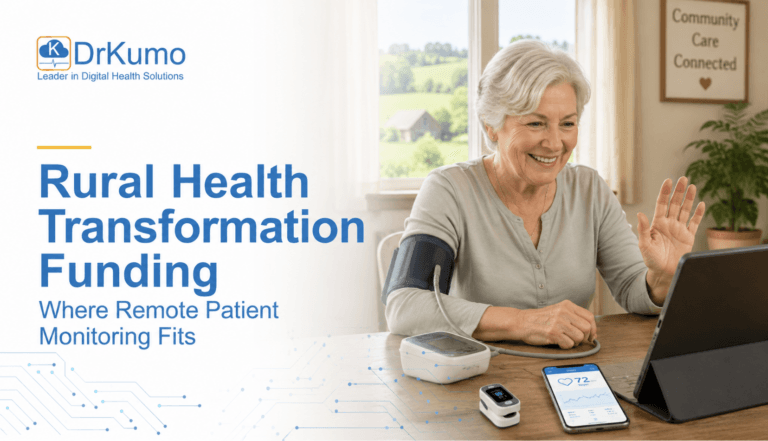
To effectively manage the flow of patient information required for chronic care management, many providers utilize secure digital health platforms. DrKumo is a URAC-certified provider,and a select partner for the U.S. Department of Veterans Affairs, that supports this workflow by integrating Remote Patient Monitoring (RPM) directly into chronic care strategies. Their system captures real-time physiological data, such as blood pressure, heart rate, and glucose levels, via FDA-cleared connected devices, supporting clinical teams’ access to patient-reported data between encounters.
The DrKumo platform centralizes this data in a secure, HIPAA-compliant Provider Console that simplifies the administrative burden of CCM. By utilizing AI and Machine Learning alongside established Disease Management Protocols, the system can highlight data trends for clinical review. This technology supports providers to move beyond reactive care, facilitating the timely interventions and seamless coordination that are central to a successful Chronic Care Management program.
Takeaways
Chronic Care Management is more than a billing code. CCM is a shift toward a more continuous, proactive model of healthcare. By understanding what services are included. From comprehensive planning to 24/7 access and community coordination, healthcare professionals can ensure they are fully utilizing the program to support their most vulnerable patients.
As the healthcare landscape continues to value value-based care, services like CCM provide the necessary framework to improve long-term health outcomes while ensuring practices are compensated for the vital coordination work they perform.
Ready to optimize your Chronic Care Management program? Whether you are launching a new CCM service or looking to enhance your current workflows with secure, real-time monitoring, ensuring you have the right infrastructure is key. Contact us today to learn more about how DrKumo’s digital health solutions can support your practice.
Disclaimer: The information provided in this blog post is for educational and informational purposes only and does not constitute medical advice, diagnosis, or treatment. Always seek the advice of a physician or other qualified health provider with any questions you may have regarding a medical condition. Reimbursement guidelines (such as CPT codes and time requirements) are subject to change by CMS; providers should verify current regulations before billing.